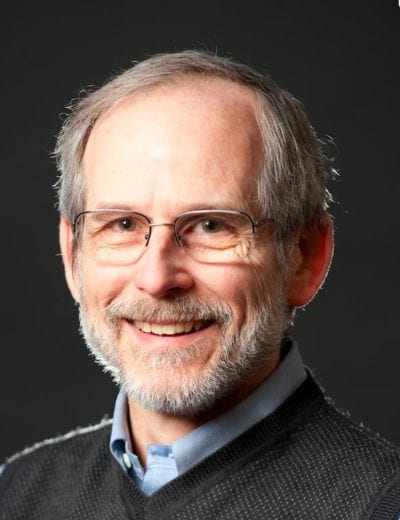
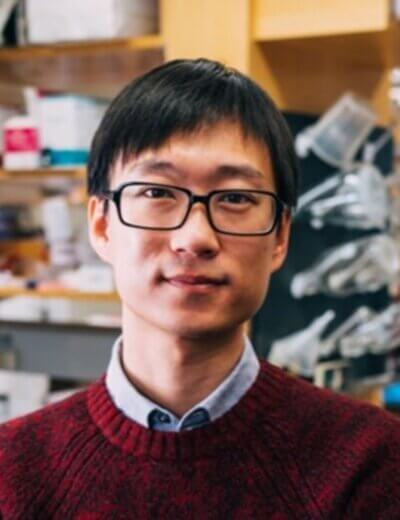
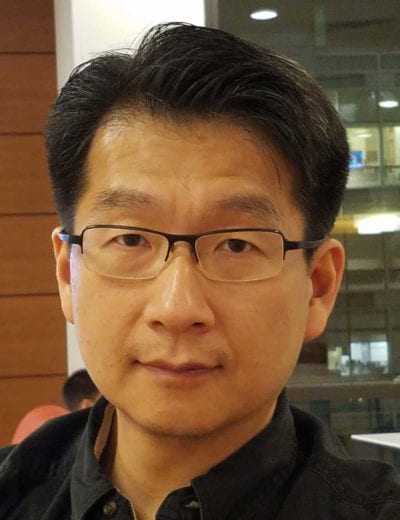
Neurodegenerative diseases, such as Alzheimer’s disease (AD), are characterized by the accumulation of aggregation‑prone proteins, including amyloid beta. The accumulation of these proteins may reflect a failure in the brain‑wide clearance pathways that integrate cerebrospinal fluid (CSF) inflow and subsequent drainage. Modeling these pathways quickly and at scale can be difficult in laboratory settings. Drs. Kamm, Guo, and Choi are experts in developing these model systems and seek to continue advancing improved models of CSF regulation and flow as part of this consortium.
This project seeks to establish a platform for quantifying and manipulating these clearance routes experimentally. They will engineer a novel choroid plexus model from iPSCs (induced pluripotent stem cells) that incorporates a functional vascular network that actively secretes CSF‑like fluid. This model would enable testing of novel hypotheses centered on CSF production. They will also generate a comprehensive atlas of key structural and transport properties in several cell-based models and compare them to human tissue to identify which best reflect the human brain. They will then be able to link disease‑dependent changes in these properties to alterations in CSF dynamics, in order to define the most vital changes triggered by changes in CSF flow. Finally, they will develop an innovative clearance model that combines CSF generation, venous and arterial associated flow pathways, transport across non-vascular brain tissue, and drainage into a predictive framework for waste clearance and therapeutic intervention design. Together, this project seeks to deliver the first mechanistically grounded, human-relevant platform for investigating CSF transport and for rationally designing strategies to restore brain waste clearance.