Could Sleep Hold Important Clues to Alzheimer’s Disease?

What if something you do every night could hold important clues to Alzheimer’s disease? Cure Alzheimer’s Fund® (CureAlz®) researchers are exploring how sleep and circadian rhythms may shape new approaches to prevention and treatment.

Support Our Research

CureAlz Resources

Sleep, Circadian Rhythms, and Brain Health

CureAlz scientists are investigating whether disrupted sleep and circadian rhythms are consequences of Alzheimer’s disease, contributing factors, or both. Understanding these relationships could reveal new opportunities to protect brain health. Explore our research and featured resources to learn more.

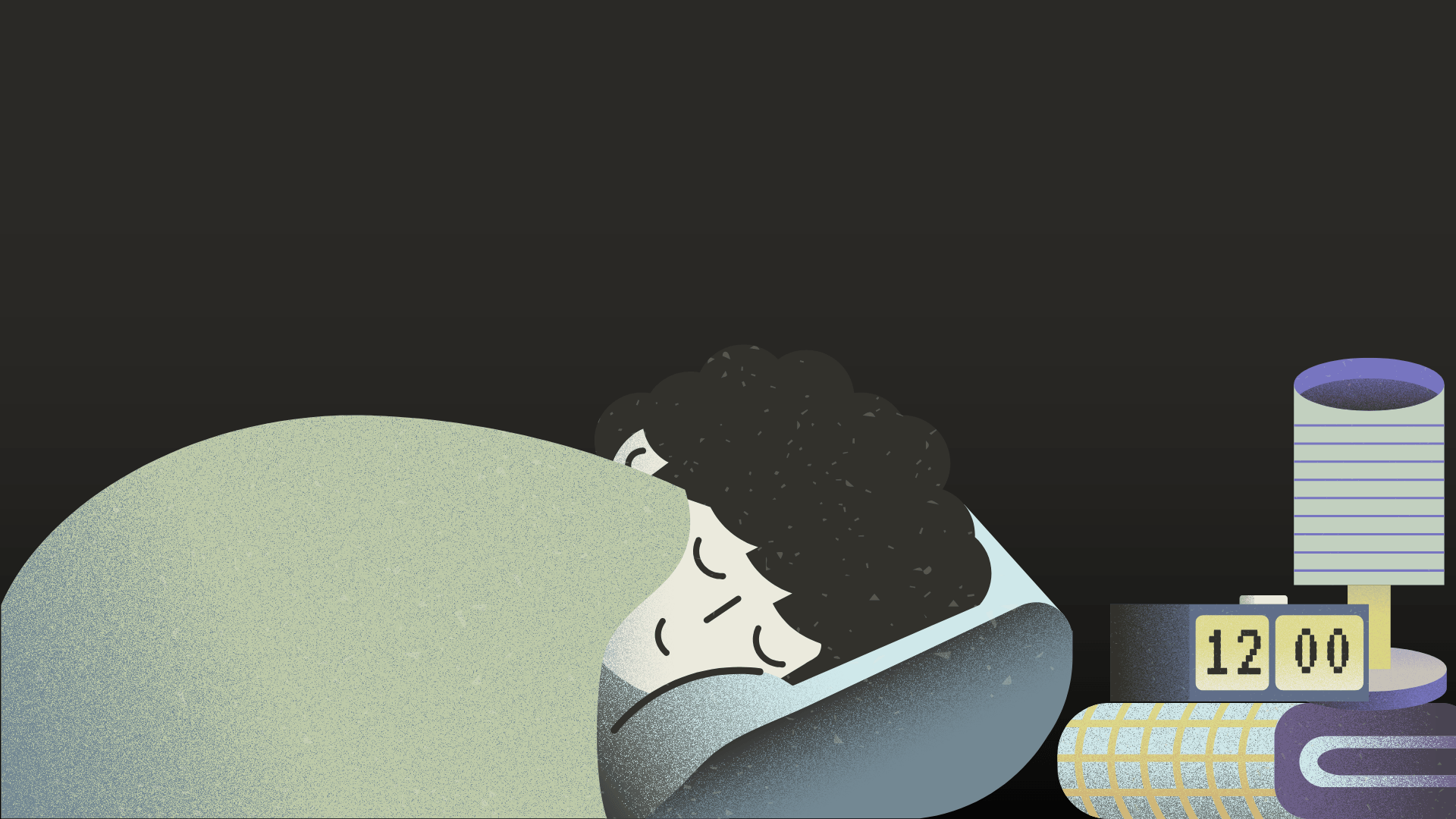
Illustration of a person sleeping beside an alarm clock, for the article What Is Sleep?

What Is Sleep?

We spend nearly a third of our lives sleeping. But what is sleep? Why do we do it? Learn more about the mystery of sleep — and about why scientists in the CureAlz Sleep & Circadian Rhythms Consortium are going deep on this question. Read more →

A woman sleeping peacefully in a sunlit bedroom, for the article on sleep hygiene and brain health

Better Sleep Hygiene, Better Health

Most adults get too little sleep, but consistent sleep deprivation has wide-ranging — and often unexpected — impacts on holistic health. Learn from CureAlz-funded experts about how to improve your “sleep hygiene” and what research can tell us about the connections between sleep disturbances and Alzheimer’s. Read more →

Our Nightly Wash Cycle

The brain uses about 20% of the body’s energy — more than any other organ — and all that activity creates waste. That’s where the glymphatic system comes in, helping clear waste from the brain while we sleep. When this system is disrupted, researchers think it may have important implications for brain health and Alzheimer’s disease. Read more →

CureAlz Researchers

Finding Answers Through Collaboration

The Sleep & Circadian Rhythms Consortium

In April 2026, CureAlz convened the Sleep & Circadian Rhythms Consortium to untangle the complex relationships between sleep, circadian rhythms, and Alzheimer’s disease through collaborative science. Meet the consortium →

Hear From Our Sleep Researchers

What does the latest science tell us about sleep and Alzheimer’s disease? Hear directly from our researchers about emerging discoveries, what healthy sleep looks like, and steps you can take today. Watch the webinar →

Headshots of the seven CureAlz Sleep & Circadian Rhythms Consortium researchers studying sleep and Alzheimer's disease

Pictured top, left to right: Erin M. Gibson, PhD, Stanford University · Mary Harrington, PhD, Smith College · Yo-El Ju, MD, MSCI, Washington University School of Medicine in St. Louis · Eng Lo, PhD, Harvard Medical School, Massachusetts General Hospital

Pictured bottom, left to right: Shannon L. Macauley, PhD, University of Kentucky · Cameron McAlpine, PhD, Icahn School of Medicine at Mount Sinai · Erik S. Musiek, MD, PhD, Consortium Chair, Washington University School of Medicine in St. Louis

Your Support Can Make a Difference

100% of your gift supports our research program.

Give Today