How and which age-related changes in biology contribute to disease onset remain open questions. However, data gleaned from the growing availability of accurate fluid biomarker tests suggest that the answers may be found by studying younger populations. Brain amyloid pathology begins to accumulate 10-20 years before clinical symptoms are apparent. Therefore, identifying changes in the biological signaling pathways that precede amyloid buildup should uncover new therapeutic targets and insights for prevention strategies to slow or stop cognitive decline in Alzheimer’s disease (AD).
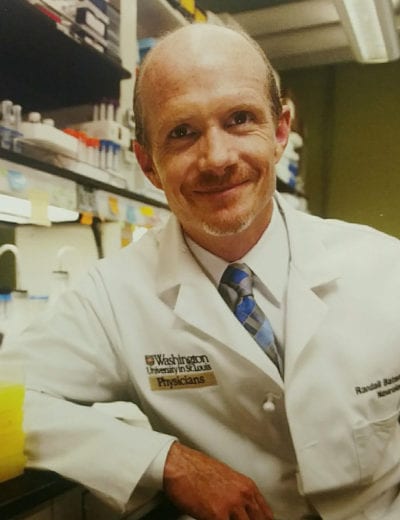
Dr. Bateman’s team is tackling these questions by first asking what proteins are changed—in terms of abundance—at the earliest detectable stages of amyloid pathology. They are confident that they can accurately identify people at this very early stage by measuring the ratio of amyloid beta peptides (Aβ42:40) present in both cerebrospinal fluid (CSF) and blood plasma samples. By integrating proteomics, machine learning, and pseudotime analysis, the team aims to uncover new biomarkers and therapeutic targets that could inform early intervention and prevention strategies for AD.
They hypothesize that specific changes in CSF proteins emerge even before overt amyloid pathology is detectable, and that these changes can differentiate between healthy aging and disease states. In Aim 1, they will measure thousands of proteins in CSF samples and use artificial intelligence and machine learning to examine protein patterns during pre-amyloidosis—the stage before any amyloid aggregation occurs. This will reveal age-associated protein pathways linked to impaired amyloid clearance and plaque formation. In Aim 2, they will use pseudotime analysis to map the sequence of protein changes that occur during aging and disease progression. Since following the same individuals over decades isn’t feasible, pseudotime offers a computational solution: the team can analyze samples from many different people at various stages of normal aging or disease progression and use algorithms to create two separate molecular timelines—one for normal aging and one for amyloidosis progression. Comparing these timelines will help distinguish normal aging processes from those leading toward AD and identify the precise sequence of molecular events that drive disease development.