When we think about getting older, we picture candles on a birthday cake, the number of years since graduation, or how long it has been since we last saw old friends. Each of these marks the passage of time—a counting of years, days, minutes. The exact amount of time since a person’s birth is their chronological age. But another measure of age may matter even more.
Biological age reflects the sum of all the molecular and cellular changes occurring throughout the body. It varies wildly between individuals and depends on genetics, environment, behaviors, and life experiences. Unlike chronological age, biological age is flexible and personal, and it directly influences our health and longevity. Doctors estimate biological age by examining biomarkers through blood tests, imaging, physical assessments, and routine medical evaluations. But what does biological age mean for diseases of aging, like Alzheimer’s disease?
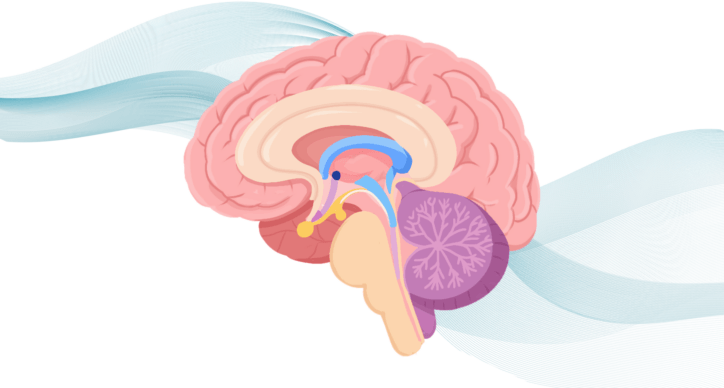
Aging is the biggest risk factor for Alzheimer’s, yet not everyone develops the disease. So, chronological age alone does not determine whether someone develops Alzheimer’s. One must consider biological age as well. Every organ and system in the body ages differently—and we are just starting to understand how and why. To estimate the brain’s biological age, doctors consider MRI scans, blood proteins, epigenetic clocks, inflammation, and vascular health.
Distinguishing between these two types of aging is an important area of study in Alzheimer’s research, because two people of the same chronological age can have very different biological ages. Studying biological aging may reveal why some individuals develop Alzheimer’s while others remain resilient to the disease’s underlying pathology. Therapies designed to interrupt key aspects of aging may someday delay or prevent Alzheimer’s disease.
While we cannot stop time or change our chronological age, we can influence our biological age. Regular physical activity, high-quality sleep, good nutrition, stress management, strong social connections, and other healthy behaviors can improve our overall health, lower biological age, and reduce our risk for Alzheimer’s. So, while each year may add another candle to the cake, our daily choices can keep our brains and bodies younger for longer.
Read The Spectrum of Brain Aging: Building a Future Without Alzheimer’s brochure here.