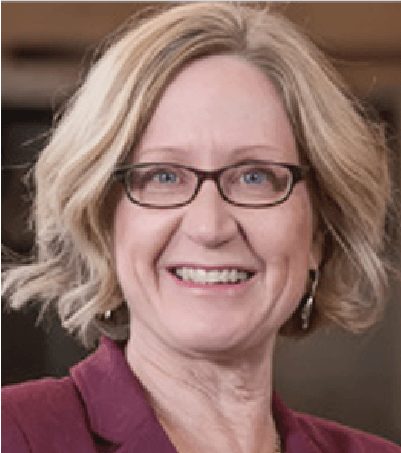
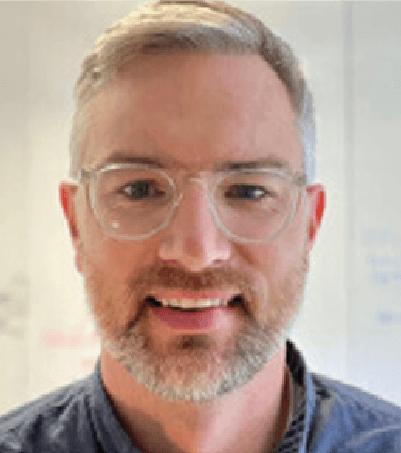
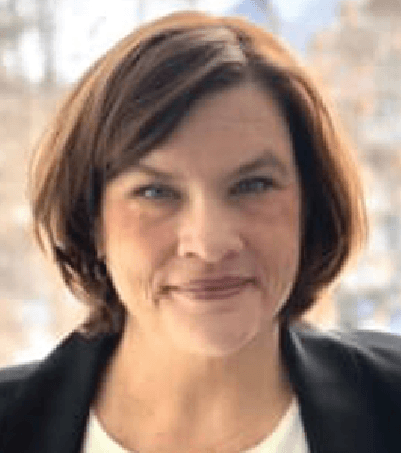
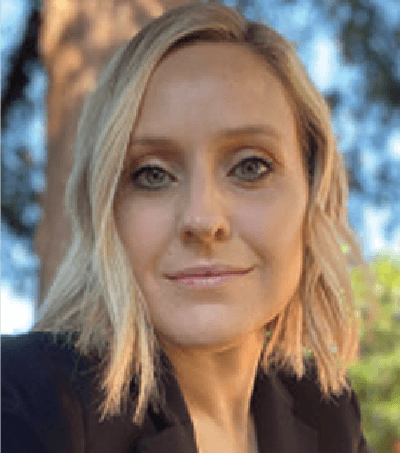
The members of the Sleep & Circadian Rhythms Consortium at Cure Alzheimer’s Fund® are experts in their fields, brought together to investigate the connections among sleep, circadian rhythms, and Alzheimer’s disease. We asked them a few questions of our own about what inspires them to pursue this research, why it matters, and what they hope to accomplish together. Read on to hear directly from several CureAlz® scientists.
What first drew you to studying sleep and circadian rhythms in the context of Alzheimer’s disease?
I was drawn to this research topic because Alzheimer’s disease is in my family. After taking care of my aunt in her final years, I wanted to try to apply my expertise in circadian rhythms and sleep to make a difference.
As a neurology resident, I was already interested in Alzheimer’s disease. I heard a lecture where the speaker said if you could delay the average onset by five years, there would be 30-40% fewer cases of the disease. This seemed like an achievable goal, and I became interested in reducing inflammation to prevent Alzheimer’s.
What excites you most about the potential for this research?
In my project, we are going to test how signals originating from the cardiovascular and immune systems influence sleep quality in Alzheimer’s disease, which may uncover new ways to promote healthy sleep in people with Alzheimer’s disease. This research views Alzheimer’s disease not just as a problem of the brain but as a physiologic process that involves the whole body. Understanding how tissues, organs, and cells outside of the brain influence its health is an innovative and new area of science.
What’s the one thing you wish more people understood about sleep’s connection to brain health?
Sleep is a highly active state that is essential to our well-being. It’s important for making memories, clearing the brain’s waste, responding to inflammation, and maintaining healthy brain function. Without this important “down state,” our brains cannot function properly during the day.
All of our tissues communicate with one another, but we are only beginning to decode the signals. Sleep plays a vital role in maintaining and regulating this whole-body inter-organ communication, including the bidirectional pathways between the cardiovascular, immune, and nervous systems.
Regular timing of sleep can be as helpful as getting more sleep. We think that keeping a regular daily pattern of when you sleep will help you get more restorative sleep and improve brain health.
What can the Sleep & Circadian Rhythms Consortium accomplish that you couldn’t achieve working alone?
The brain is not a collection of independent cells working in isolation, but a complex network of interconnected and interacting cells — and understanding it requires the same kind of interconnected, collaborative approach. Working alone, any one of us can only illuminate a single piece of the puzzle. The Sleep & Circadian Rhythms Consortium’s power lies in bringing together individuals who, in isolation, study these distinct processes.
By uniting these diverse perspectives around a shared framework, the consortium allows us to see how these systems interact. This integrative approach mirrors the very biology we study.
Has collaborating with other consortium members led you somewhere you wouldn’t have gone on your own?
My laboratory entered the consortium through the lens of brain metabolism, but our collaborations have pushed us to think more broadly about how metabolic changes interact with circadian timing, neuronal activity, inflammation, myelinating cells, the cardiovascular system, and the brain’s blood supply.
Those conversations are helping us ask bigger, more integrated questions to push the boundaries of sleep science in the context of Alzheimer’s disease.
What’s a moment from working with the consortium that stuck with you?
From our first in-person meeting, I knew this consortium was different. We gelled instantly, the kind of connection where you could spend hours talking and collaborating and still not run out of ideas.
The energy in the room felt both authentic and productive. This wasn’t just a group of researchers assembled on paper, but a genuine team united by shared curiosity and purpose.
The excitement and enthusiasm were off the charts. We had 90 minutes to discuss plans for the consortium, and we could have gone on for three hours. There was so much energy, creativity, and unique expertise in the room — I felt like we could really make an impact together. Now, we are getting to the hard work of doing it.
Discovery
Explore the Science
Learn more about sleep, circadian rhythms, and brain health, and how scientists are working to untangle their connections in Alzheimer’s disease.
Learn More →
Support the Science
Help Unlock the Potential of Sleep Research
Your support helps Cure Alzheimer’s Fund advance groundbreaking research into the connection between sleep, circadian rhythms, and Alzheimer’s disease.
Support Our Research